
The condition of your home
- The concern and its historyWe consider what you have noticed, when it appeared, and whether it has changed.
- Accessible constructionThe inspection considers the relevant structure that can be observed during the visit.

Structural inspections for homeowners
Hamilton Structural Engineers helps Woodstock homeowners assess structural concerns before a renovation, purchase, or repair. We inspect accessible framing and supports, explain the evidence, and recommend further steps.
Detailed service overview
We assess concerns about floors, roofs, walls, beams, posts, and related supports. The inspection uses visible conditions and relevant history to explain the problem as far as the available evidence allows.
You get practical findings about the structural concern rather than a diagnosis based only on its appearance.
Residential engineering services
Assessment of visible changes and how they relate to the surrounding structure.
Review of the accessible framing and supports beneath the affected area.
Assessment of damaged beams, joists, posts, or other structural elements.
Review of structural concerns about changes made to the home.
Assessment of existing conditions that need to be understood before design begins.
A focused review of a structural concern raised during a purchase.
Findings that help establish whether further investigation or repair design is needed.
We discuss what you have noticed and any history, photos, or reports that may help.
We review accessible conditions and explain whether additional information is needed.
The agreed report or letter sets out the observations and recommended next steps.
Homeowner questions
We assess concerns involving cracks, uneven floors, movement, damaged framing, beams, posts, roofs, and earlier alterations. The service focuses on the structure rather than giving the same diagnosis for every crack.
No. A structural inspection focuses on the building supports and a defined concern. The findings should identify which structural concern was assessed and where observations were limited.
That cannot be determined from the symptom alone. Its location, pattern, history, and surrounding structure need assessment before a cause or repair can be identified. A photograph may identify an area of concern without revealing the supports behind it.
Photos of changes over time, previous drawings, repair records, and a description of when the concern appeared are useful. Describe which areas can be accessed so the inspection can focus on the relevant construction.
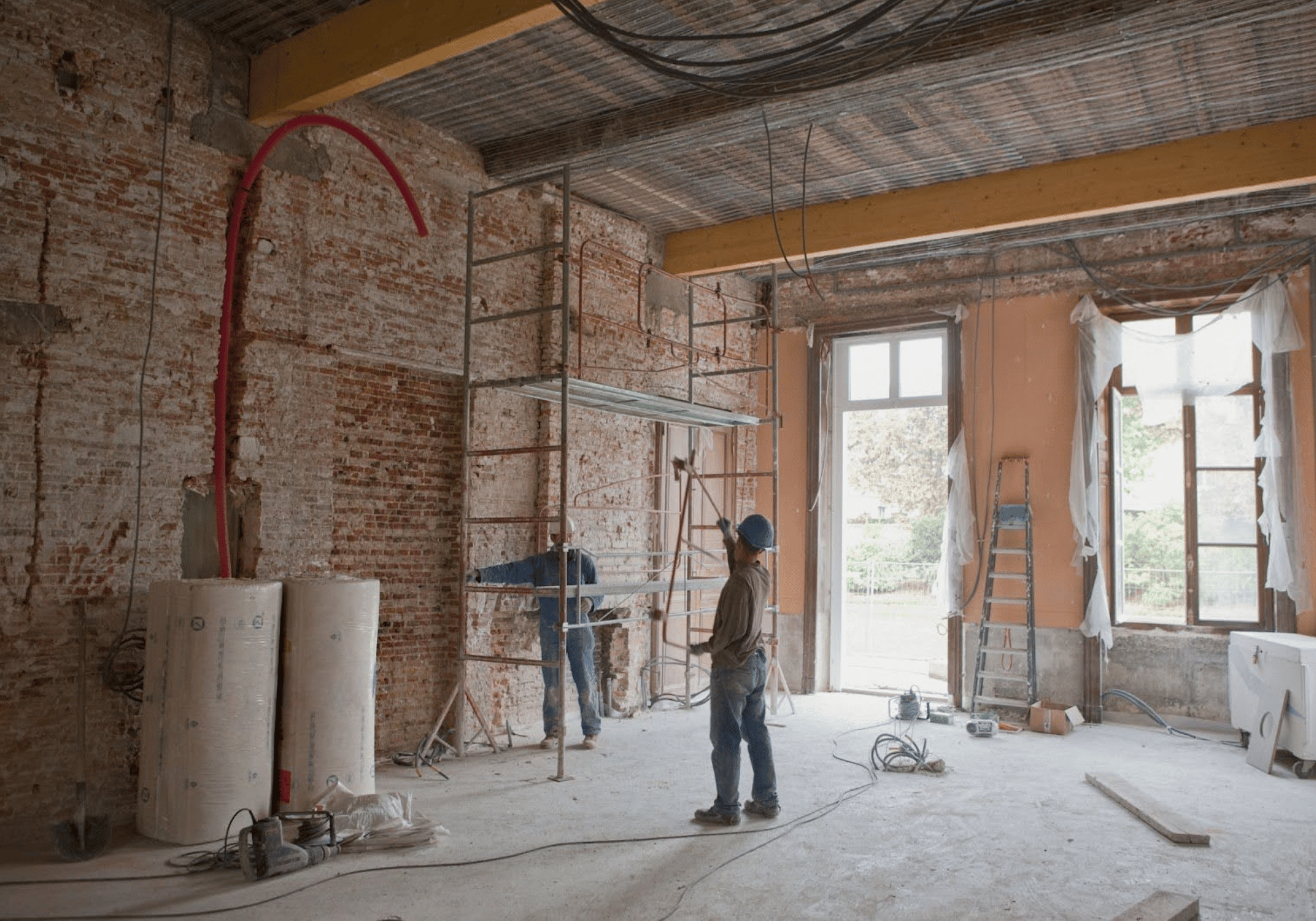
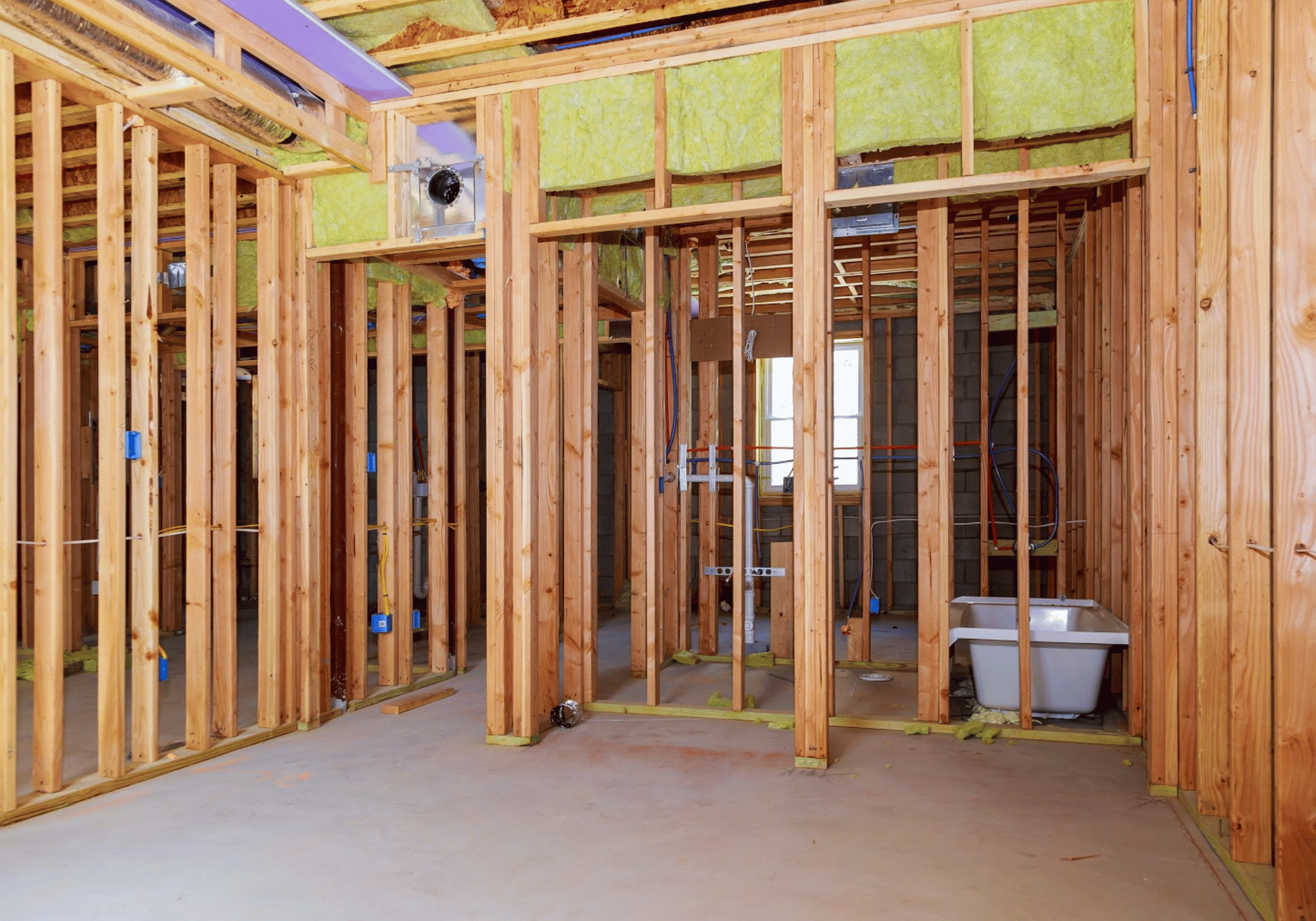
Not always. We assess accessible areas first, but finishes can hide important members or connections. If the structure is already exposed during a renovation, that access can be valuable.
We can provide written findings, recommendations, or an engineering letter, depending on what you need assessed. The assessment should give you a useful next step without promising certainty about hidden areas.
Repair design is a separate task unless included in the agreement. The inspection helps establish what is wrong; the next step may be further investigation or drawings specifying how an identified problem should be repaired. Monitoring may be appropriate where the question concerns whether visible movement is continuing.
Yes, we can assess accessible construction and available records. Missing drawings or concealed connections can limit the conclusions, so the findings distinguish what has been observed from details that still need investigation. Where records conflict with the house, the findings need to reflect the construction actually observed.
Hamilton Structural Engineers provides structural inspections for homeowners in Woodstock.






Discuss your Woodstock renovation, building plans, or structural concern with us. We can identify the information and engineering needed to take the next step.