
How Flooding Affects Your Home's Foundation and Structure
How Flooding Affects Your Home's Foundation and Structural Integrity
Flooding can cause extensive damage to a home, affecting everything from interior finishes and personal belongings to the foundation and structural systems that support the building. While standing water and damaged materials are often the most visible concerns, flooding can also create structural problems that are not immediately apparent.
Excessive moisture, saturated soil, groundwater pressure, and erosion can affect foundation walls, footings, support columns, and structural framing. In severe cases, flooding can contribute to foundation movement, settlement, or deterioration of load-bearing components.
Understanding how flooding affects your home's foundation and structural integrity can help you recognize potential problems, determine when professional inspections are necessary, and make informed decisions about repairs.
Can Flooding Damage Your Home's Foundation?
Yes. Flooding can damage a home's foundation, particularly when large amounts of water accumulate around or beneath the building.
Foundations are designed to transfer the weight of a structure safely into the supporting soil. When flooding changes the conditions of that soil or introduces excessive pressure against foundation walls, structural problems can develop.
Several factors influence the severity of potential foundation damage, including:
- The depth and duration of flooding
- The type and condition of the foundation
- Soil composition and drainage characteristics
- Groundwater levels around the property
- Existing foundation cracks or structural deficiencies
- The speed and direction of moving floodwater
Concrete foundations are generally durable and resistant to ordinary moisture exposure. However, significant flooding can create conditions that affect their structural performance.
5 Ways Flooding Can Affect Your Foundation
1. Increased Hydrostatic Pressure Against Basement Walls
Hydrostatic pressure develops when groundwater accumulates around a foundation.
As the water level rises, pressure against below-grade foundation walls can increase. If the foundation lacks adequate drainage or has existing structural deficiencies, this pressure may contribute to cracking, leakage, or wall movement.
Potential warning signs include horizontal foundation cracks, inward bowing, and visible displacement of basement walls.
Significant movement should be evaluated by a structural engineer before repairs are attempted.
2. Soil Erosion Beneath Foundation Footings
Moving floodwater can wash away soil around or beneath foundation components.
This process, known as erosion or scour, can reduce the support provided to footings and other structural elements.
If supporting soil is lost, portions of the foundation may experience movement or settlement.
Potential indicators include new foundation cracks, uneven floors, separation between structural components, or visible voids near the foundation.
Severe erosion may require both structural engineering and geotechnical investigation.
3. Foundation Settlement and Movement
Flooding can alter the moisture conditions of soil supporting a home.
Certain soils expand when wet and contract as they dry. Other soil conditions may experience consolidation or reduced stability following saturation.
These changes can contribute to differential settlement, where one portion of the foundation moves more than another.
Warning signs can include diagonal cracks, sloping floors, misaligned doors and windows, and gaps between building components.
An engineer can assess whether observed movement is associated with foundation settlement and recommend further investigation where necessary.
4. Cracking and Displacement of Foundation Walls
Foundation cracks can occur for many reasons, including concrete shrinkage, soil pressure, structural loading, and settlement.
However, flooding can contribute to new cracking or worsen existing problems.
Horizontal cracks, stepped cracking in masonry foundations, and cracks accompanied by displacement may indicate structural concerns.
Not every foundation crack requires major repairs. A structural inspection can help distinguish between minor cosmetic defects and conditions requiring reinforcement or stabilization.
5. Damage to Foundation Drainage Systems
Flooding can overwhelm or expose problems with foundation drainage systems.
Clogged perimeter drains, inadequate grading, malfunctioning sump pumps, and poor surface drainage can allow water to accumulate around basement walls.
Although drainage problems do not automatically cause structural damage, prolonged water accumulation may increase foundation exposure to moisture and hydrostatic pressure.
Correcting drainage deficiencies is often an important part of preventing recurring water intrusion and related foundation problems.
How Flooding Can Damage Other Structural Components
Foundation problems are not the only structural concerns following a flood.
Water may also reach floor framing, support beams, load-bearing walls, and structural connections.
Water-Damaged Floor Joists
Floor joists transfer floor loads to supporting walls and beams.
Prolonged moisture exposure can contribute to fungal decay, deformation, and deterioration of wood framing.
Severely damaged joists may require reinforcement or replacement, depending on their condition and structural capacity.
Damaged Support Beams and Columns
Support beams and columns are critical load-bearing components.
Flooding may contribute to wood deterioration, corrosion of steel components, or damage to structural connections.
Significant deterioration or displacement should be evaluated before repairs begin.
Load-Bearing Wall Deterioration
Floodwater can enter wall cavities and expose structural framing to prolonged moisture.
Where deterioration develops, studs, plates, connections, or other load-bearing components may require replacement or reinforcement.
The appropriate repair depends on the extent of damage and the loads supported by the wall.
7 Warning Signs of Foundation Damage After Flooding
Homeowners should monitor their properties for changes following significant flooding.
Important warning signs include:
- New or widening foundation cracks: Particularly horizontal cracks or cracks accompanied by displacement.
- Bowing basement walls: Inward movement or bulging may indicate excessive lateral pressure.
- Uneven or sagging floors: Changes in floor elevation may indicate settlement or damaged structural framing.
- Sticking doors and windows: Persistent misalignment may indicate foundation or framing movement.
- Gaps between walls and floors: Separation can sometimes indicate structural displacement.
- Visible soil erosion: Voids, washed-out soil, or undermined footings may affect foundation support.
- Damaged support columns: Tilting, movement, or significant corrosion can create structural concerns.
These symptoms do not always indicate serious foundation damage, but new or progressive changes following flooding should be investigated.
What Should You Do After Your Home Floods?
Safety should be the first priority.
Do not enter a flooded basement or damaged building when there may be electrical hazards, contaminated water, unstable structural components, or other dangerous conditions.
Once the property has been determined safe to access, a qualified water damage restoration contractor can assess the water intrusion, remove standing water, and begin appropriate drying and cleanup procedures through an IICRC Certified water damage restoration company.
Document visible damage with photographs before repairs where it is safe to do so.
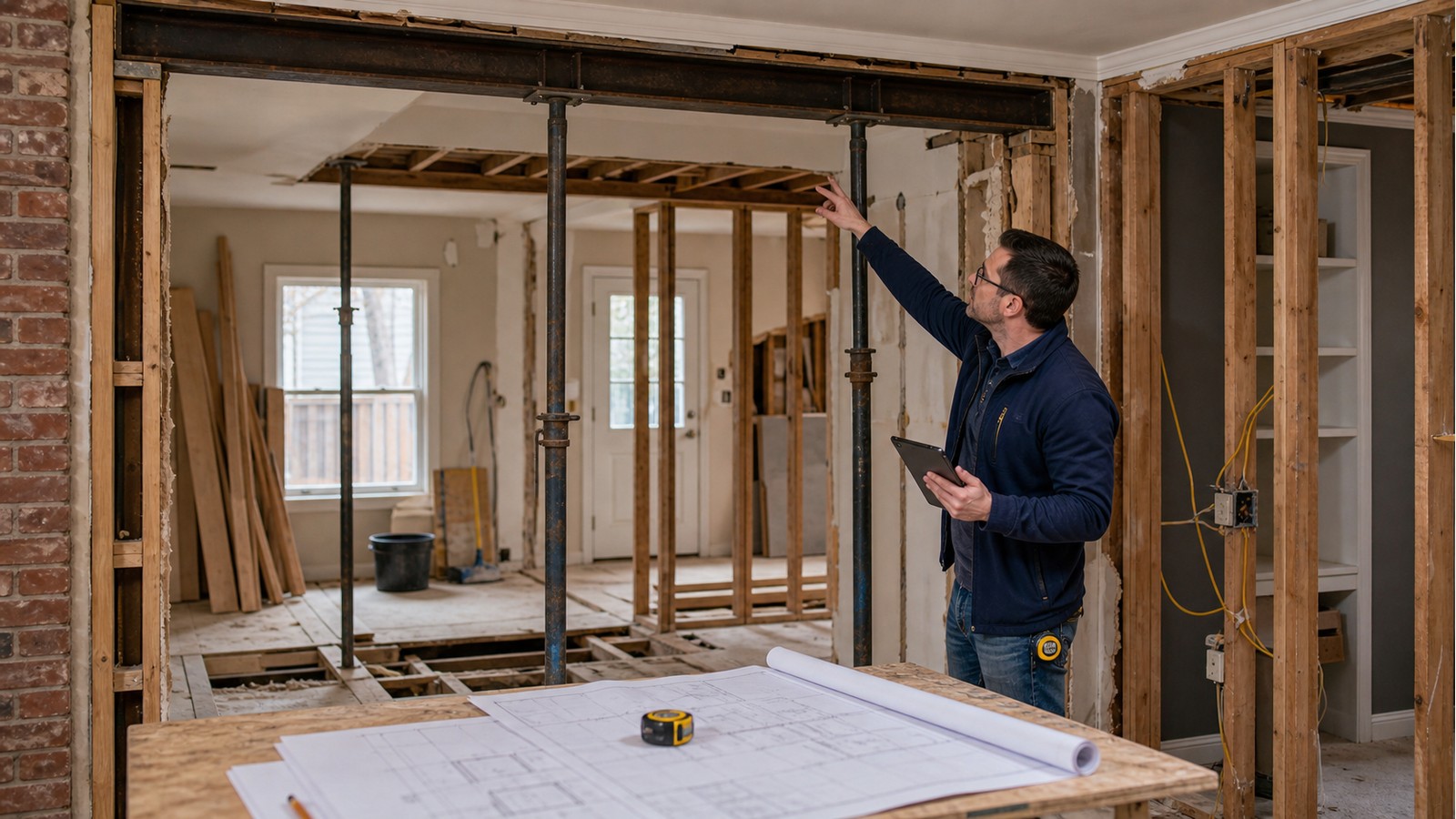
If significant cracking, foundation movement, damaged structural framing, or support column displacement is present, consult a structural engineer before undertaking structural repairs.
Where foundation settlement or soil instability is suspected, geotechnical investigation may also be necessary.
How Does a Structural Engineer Inspect Flood Damage?
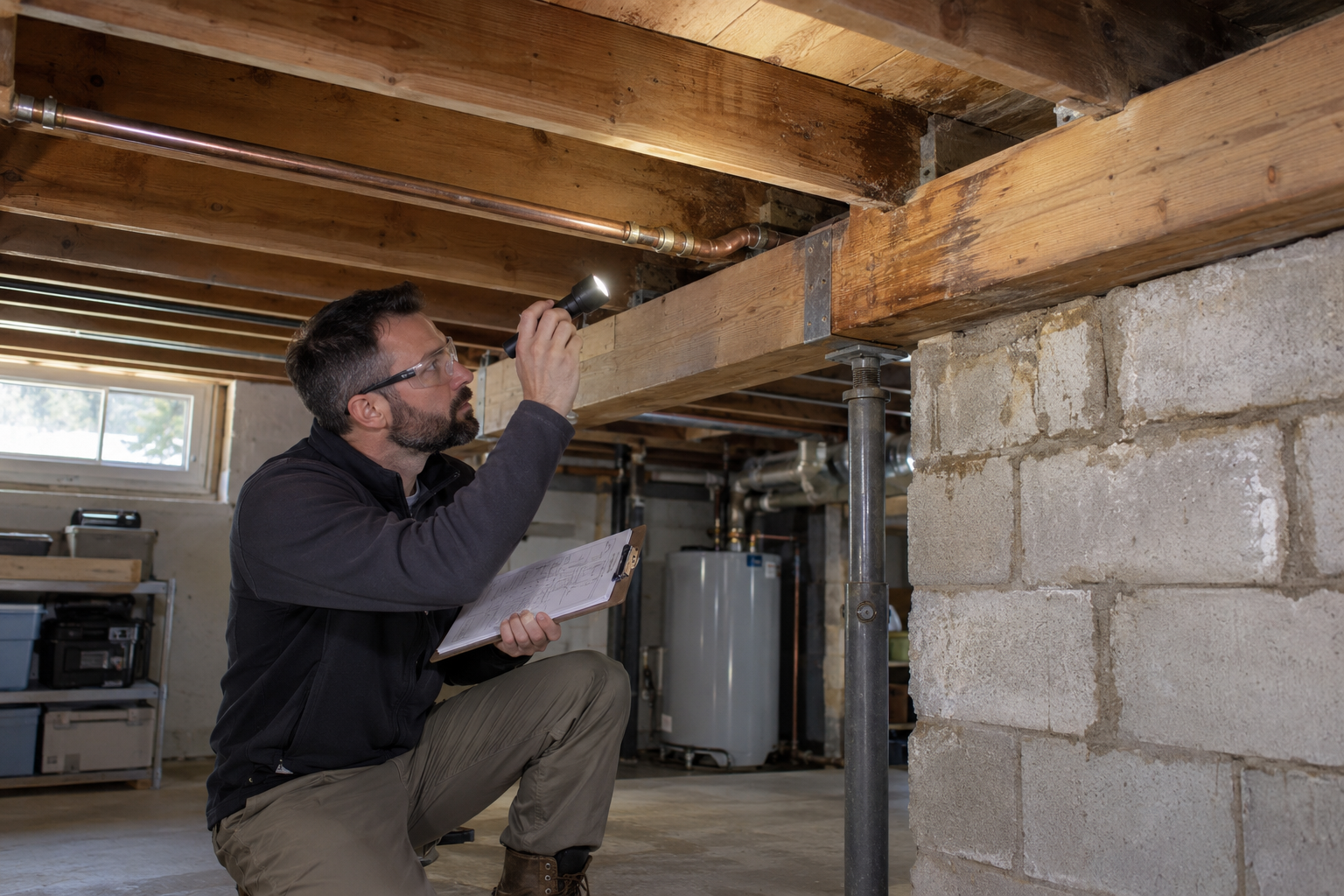
A structural engineer evaluates the condition of a building's structural systems and determines whether flooding has affected their ability to safely support required loads.
Depending on the property and observed conditions, an assessment may include:
Foundation walls: Evaluating cracking, bowing, displacement, and signs of excessive pressure.
Foundation settlement: Investigating movement, uneven floors, and other potential indicators of changing support conditions.
Floor framing: Examining joists, beams, and structural connections for deterioration or excessive deflection.
Support columns: Assessing alignment, connections, and visible signs of damage.
Load-bearing walls: Evaluating structural framing affected by moisture or movement.
The engineer may prepare a written assessment, recommend additional investigations, or develop structural repair drawings where needed.
Can Foundation Damage Caused by Flooding Be Repaired?
Many foundation problems caused or worsened by flooding can be repaired.
However, the appropriate solution depends on the cause of damage, foundation type, extent of movement, and underlying soil conditions.
Potential repair methods include foundation wall reinforcement, engineered stabilization systems, structural crack repairs, footing repairs, or underpinning where necessary.
Drainage improvements and water management measures may also be required to reduce the risk of recurring problems.
Importantly, filling visible cracks or waterproofing a basement does not necessarily correct an underlying structural deficiency.
A structural assessment can help identify the cause of the problem and determine an appropriate repair strategy.
Frequently Asked Questions
Can a flooded basement weaken a foundation?
Yes. Significant flooding can increase pressure against foundation walls, affect surrounding soil, and contribute to foundation movement. However, ordinary moisture exposure does not automatically weaken a structurally sound concrete foundation.
How long does flooding take to damage a foundation?
Some damage can occur rapidly during severe flooding, particularly when water pressure or erosion affects structural support. Other problems may develop gradually through repeated moisture exposure or changes in soil conditions.
Does every flooded house need a foundation inspection?
No. Minor water intrusion without signs of structural damage may not require an engineering assessment. However, significant flooding, visible foundation movement, or new structural cracking should prompt consideration of a professional inspection.
Can foundation cracks appear after basement flooding?
Yes. Flooding can contribute to cracking through increased soil pressure, movement, or changes in foundation support. However, some cracks may have existed before the flooding or result from unrelated causes.
Does homeowners insurance cover foundation damage from flooding?
Coverage depends on the cause of flooding, insurance policy, and applicable endorsements. Standard homeowners policies may exclude certain types of flood or groundwater damage, so homeowners should confirm coverage directly with their insurer.
Schedule a Structural Inspection After Flooding
Flooding can affect much more than a home's interior finishes. Excessive water pressure, saturated soil, erosion, and prolonged moisture exposure can create structural concerns involving foundations, floor framing, support beams, and load-bearing walls.
While not every flood results in structural damage, identifying potential foundation problems before repairs begin can help homeowners avoid overlooking important safety concerns.
If your property has experienced significant flooding or you have noticed foundation cracking, uneven floors, bowing basement walls, or signs of structural movement, a professional engineering assessment can help identify the cause and determine appropriate repairs.
Contact our residential structural engineering team to schedule a foundation inspection, evaluate potential flood-related structural damage, and obtain professional recommendations for your home.