
Should I Hire A Hamilton Engineer Before Contractor Quotes?
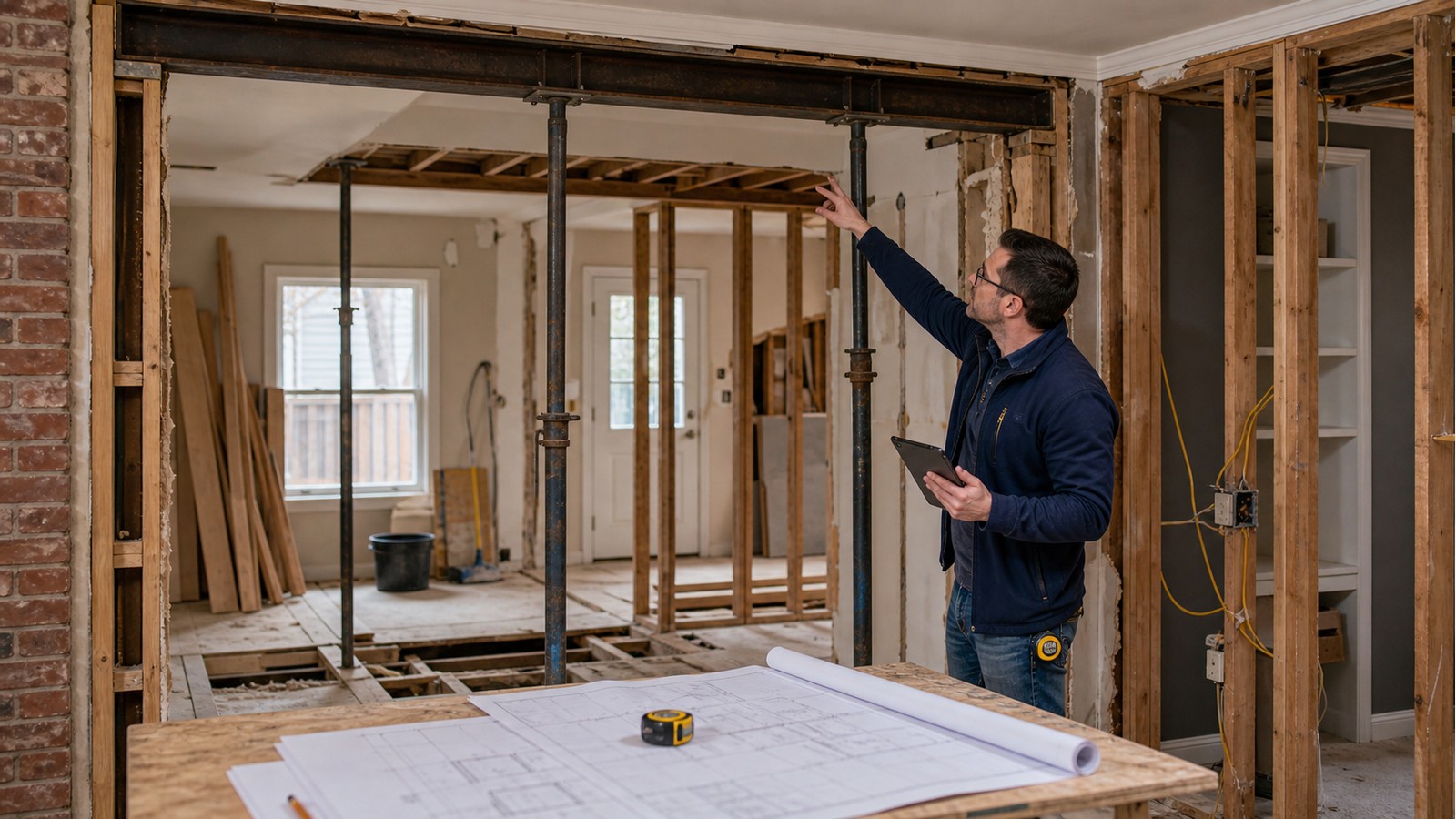
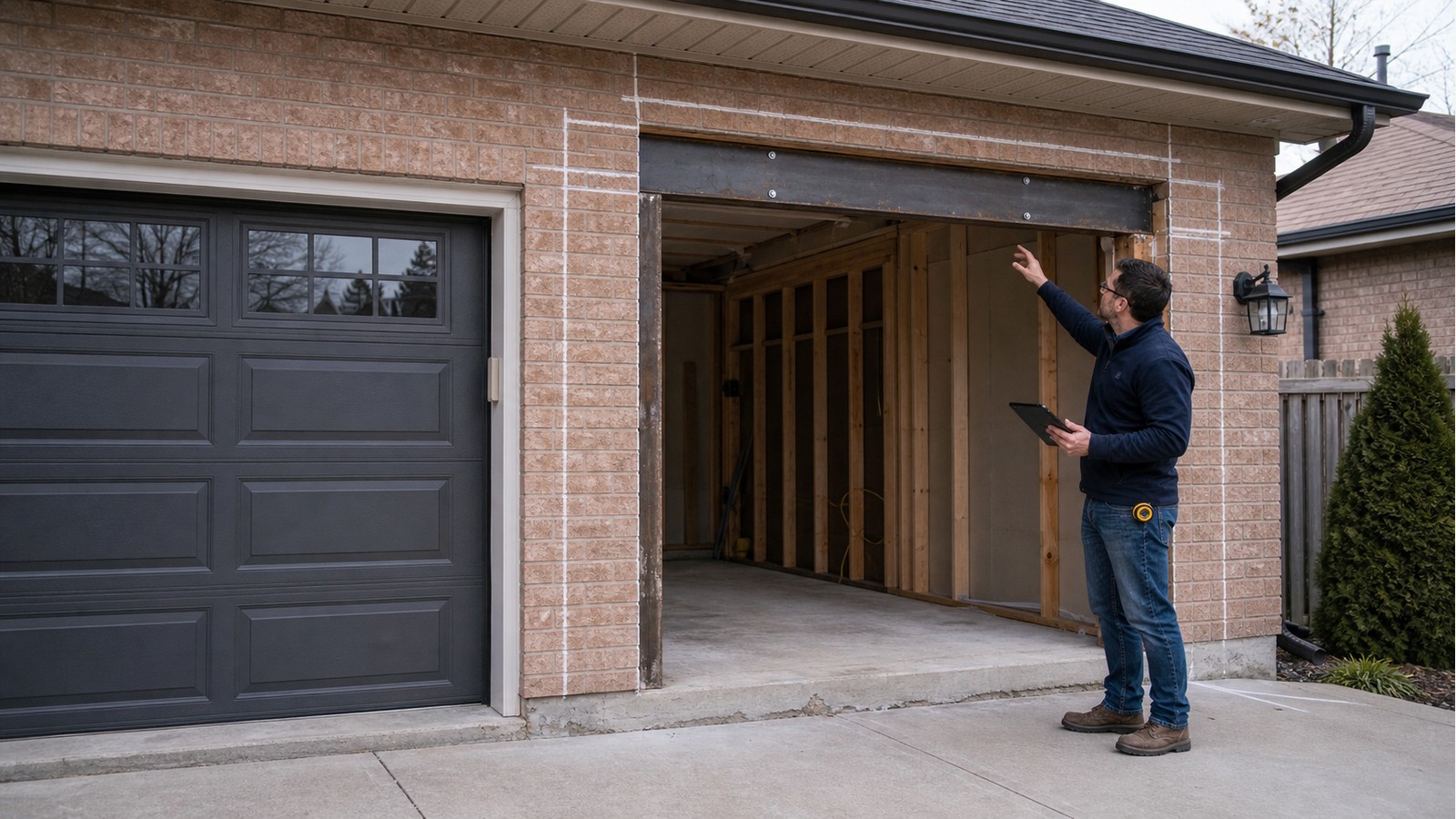
Hiring a Hamilton structural engineer before contractor quotes is often worthwhile when the project changes load-bearing work, foundations, large openings, damaged structure, or uncertain existing conditions. Contractors can price more consistently when they receive the same defined structural scope. Early engineering is less useful when architecture and site decisions are still too unsettled to design.
Quotes are comparable only when contractors price the same work
If one contractor assumes a flush steel beam, another assumes a dropped wood beam, and a third excludes posts and foundations, the totals do not describe the same project. A structural plan can define member concept, support locations, connections, and foundation work so the differences reflect contractor pricing rather than hidden assumptions.
Pricing drawings should be advanced enough to describe the work but clearly labelled if they are not permit or construction issue. Contractors should not build from preliminary documents.
Early investigation reduces allowances
Contractors use allowances when important conditions are unknown: whether a wall is load bearing, what lies above a ceiling, whether a footing exists, or how much framing is damaged. Allowances protect the bidder but make the owner’s budget uncertain.
An engineering site review, record search, or selective opening can resolve high-value unknowns before tender. Not every finish needs removal. Focus investigation on facts that could change the structural concept or price materially.
Engineering does not create a fixed construction price
Drawings reduce ambiguity but cannot predict concealed conditions, market pricing, access, scheduling, finishes, hazardous materials, or every contractor method. The owner still needs a clear tender scope, site visit, exclusions, alternates, and contingency.
Ask bidders to list assumptions and substitutions. A lower price based on a different beam, omitted shoring, or excluded permit work should not be compared directly with a complete price.
Contractor input can improve the engineered solution
Experienced contractors know local access, sequencing, fabrication, and trade availability. Early input can identify a beam that cannot be delivered, a footing location blocked by services, or a temporary support arrangement that disrupts the occupied house.
The engineer remains responsible for design decisions within scope. The contractor can propose alternatives, but changes to members, connections, posts, or foundations should be reviewed before pricing is finalized or work begins.
Use option pricing before locking the design
Some projects have real trade-offs: dropped versus flush beam, one long span versus an interior post, steel versus engineered wood, attached versus freestanding deck, or repair versus replacement. The engineer can develop viable concepts and the contractor can price their construction effects.
Structural renovation consulting helps compare headroom, demolition, foundations, access, and risk—not just member cost. Select the option before completing all permit details.
Confirm permit and non-structural scope
Hamilton’s permit page lists additions, wall changes, openings, structural repairs, decks, and foundation work among projects that can require approval. Contractor quotes should state whether permit fees, applications, architectural drawings, grading, and municipal responses are included.
The City also licenses several building-repair trades and provides contractor-selection advice. Use current municipal guidance rather than assuming an engineer’s involvement verifies the contractor’s licensing, insurance, schedule, or price.
A good pre-quote package includes
- current architectural and structural drawings;
- site photos and access constraints;
- known demolition and temporary-support requirements;
- permit status and required professional reviews;
- material and product specifications;
- supplier-designed components and submittal requirements;
- finish removal and reinstatement boundaries;
- hazardous-material information where relevant;
- allowances for unresolved conditions;
- a bid form that asks for exclusions, alternates, and schedule.
Three sensible timing models
Engineer before bidding: best when structural scope drives price and the design is stable.
Contractor consultation during concept design: useful when access and sequencing may decide between structural options.
Design-build coordination: can integrate pricing and design, but professional responsibilities, permit deliverables, and owner interests still need clarity.
No model eliminates the need to wait for the permit before permit-required construction. Ontario’s building permit guide explains the municipal review role and complete-application context.
Red flags in a structural renovation quote
- “Beam by engineer” with no allowance for posts, footings, or finishes;
- no temporary-support scope for a load-bearing wall removal;
- structural substitutions allowed without written review;
- permit and inspection responsibilities left unnamed;
- no plan for concealed deterioration or differing conditions;
- pricing based on drawings with an obsolete revision date;
- major cash allowance without quantities or decision rules;
- a promise to “get it stamped later.”
Related Hamilton planning articles
- Engineer or architect first?
- Comparing renovation options with an engineer
- How long structural permit drawings take
Pre-quote engineering FAQs
Can contractors quote from a sketch?
They can provide a budget, but structural assumptions and exclusions may vary. Treat it as preliminary, not a comparable fixed scope.
Should I get three quotes before engineering?
For early budgeting, possibly. For construction pricing of structural work, contractors should ideally price the same coordinated documents.
Can the engineer recommend a contractor?
Some engineers provide names, subject to professional and conflict considerations. The owner should still check licensing, insurance, references, scope, and contract terms.
Will engineering make change orders impossible?
No. It reduces design ambiguity, but concealed conditions, owner changes, and site discoveries can still create legitimate revisions.
For a bid-ready structural scope, request a structural engineering quote with the current design, site photos, contractor timing, and the decisions you want priced as alternatives.