
Should I Get A Structural Inspection Before Selling My House In Hamilton?
A structural inspection before selling a Hamilton house can be useful when there is a known crack, movement, previous repair, wall removal, addition, or permit question likely to concern buyers. It is not necessary for every sale, and it should not be used to manufacture blanket reassurance beyond visible evidence and the stated scope.
Inspect a defined concern, not the idea of “the whole structure”
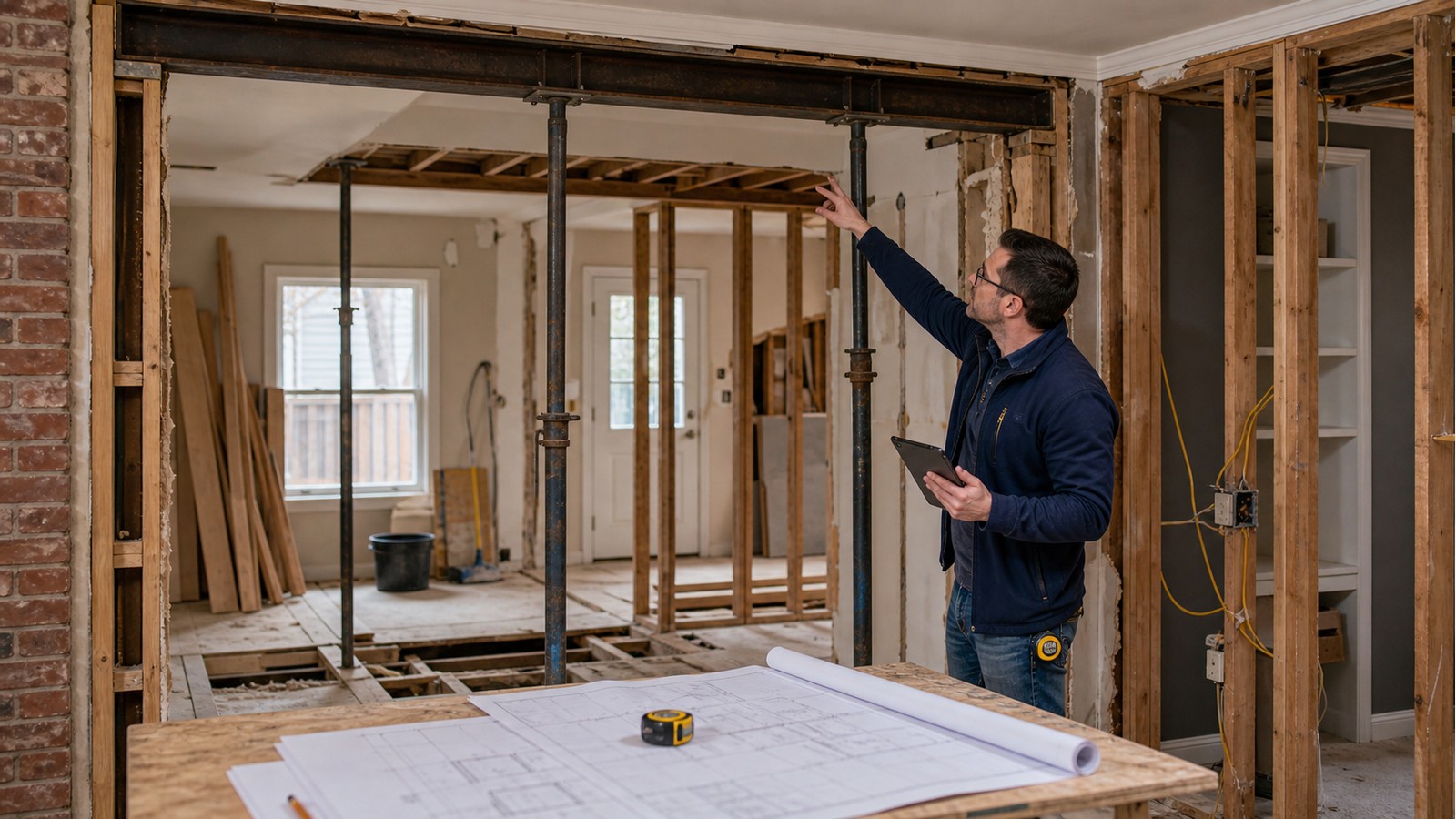
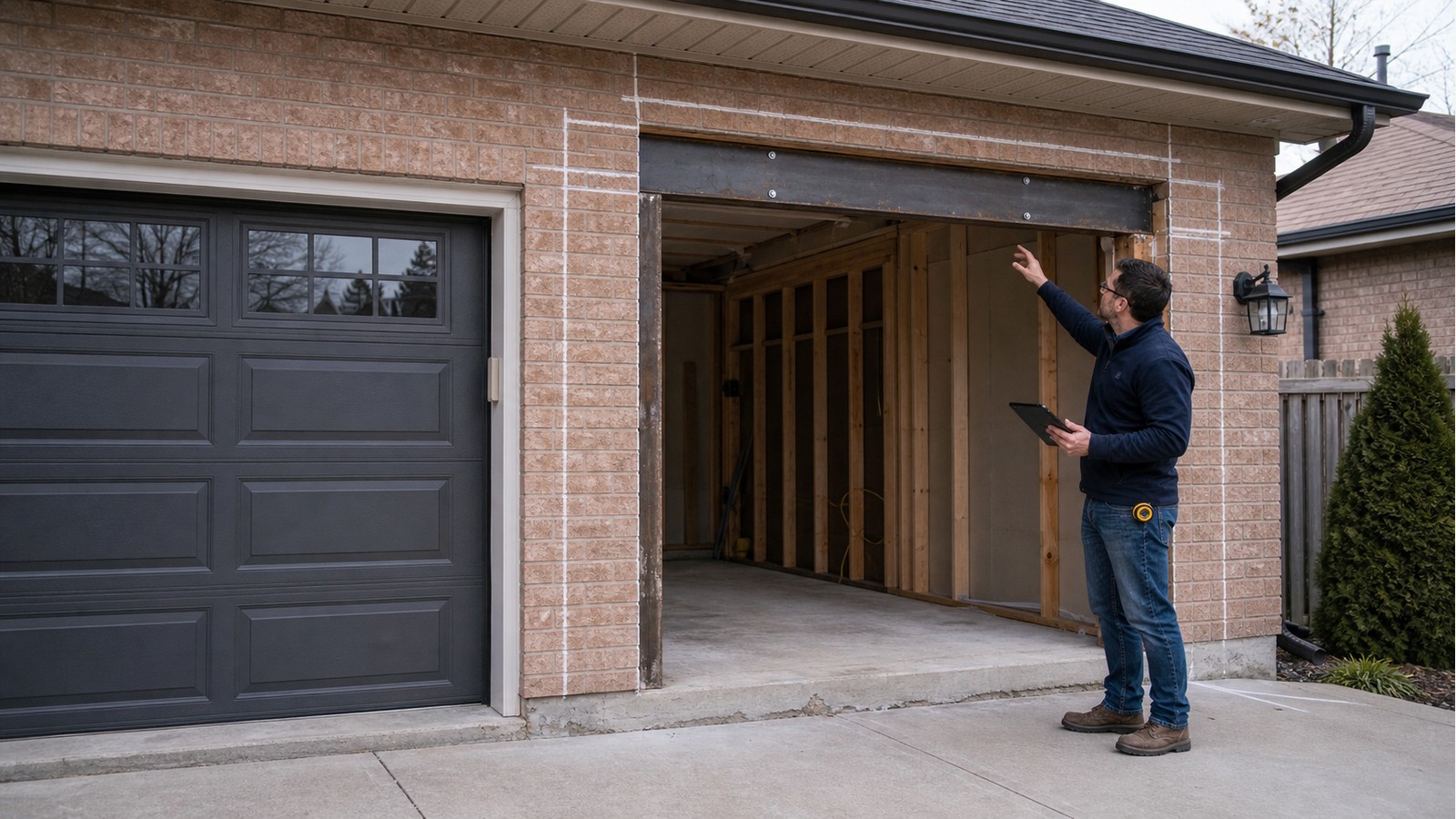
Start with what a buyer or home inspector is likely to ask: Is the foundation crack significant? Was the open-concept beam properly supported? Why does the floor slope? Is the rear addition moving independently? Does the retaining wall affect the garage?
A focused structural inspection can answer those questions more clearly than a vague pre-listing “certification.” The report should identify observed areas, inaccessible components, documents reviewed, and recommendations.
Review renovation and permit records early
Collect permits, accepted drawings, inspection records, engineering letters, repair invoices, warranties, and progress photos. Compare them with the house. A beam may exist but differ from the drawing; a deck may have been rebuilt; a basement unit may not match records.
Hamilton’s property record search lets an owner request available permits and plans. The City cautions that records are not guaranteed, so a missing file is not proof that work never occurred or that it was approved.
A report can reduce uncertainty without guaranteeing a sale
Clear findings can help the seller disclose known information, answer buyer questions, and obtain repair quotes before negotiations. The report may also identify additional investigation or repair that the seller did not expect. That is part of useful due diligence, not a failed inspection.
Ask your real-estate lawyer and representative how to handle disclosure and distribute reports. Structural engineers provide technical opinions; they do not decide legal disclosure obligations, listing strategy, or property value.
Repair before listing—or document and price it?
Some repairs are straightforward once designed. Others involve finishes, permits, temporary support, or uncertain concealed conditions. The seller can compare completing the work with providing a clear engineering scope for the buyer.
If repair is chosen, use repair drawings where construction needs dimensions and connections. Obtain required permits and arrange inspections before closing finishes. An invoice without technical documentation may not answer the next buyer’s question.
Cosmetic preparation can destroy useful evidence
Do not patch cracks, paint stains, box in beams, or finish open ceilings solely to improve appearance before assessment. Those actions can hide the condition and make later review more invasive. Photograph existing evidence with dates and location context.
If a condition is unsafe, safety work takes priority. Document it first where possible, restrict access, and obtain professional direction rather than leaving a hazard for showings.
Unpermitted work deserves a separate plan
A pre-sale engineer cannot legalize an entire renovation with a generic letter. Concealed structural work may need openings, calculations, as-built drawings, repairs, and City inspection. Non-structural zoning, fire, plumbing, and occupancy matters remain outside a structural scope.
Hamilton’s permit guidance lists many structural alterations and repairs that require permits. Contact the City or qualified permit professional early enough to resolve the process before a firm closing date.
What a useful pre-sale report may include
- property and elements inspected;
- purpose of the review;
- documents and owner information considered;
- visible conditions and measurements;
- engineering interpretation within scope;
- limitations caused by finishes or access;
- recommended monitoring, investigation, repair, or permit work;
- photographs tied to locations;
- conditions that require prompt safety action;
- whether separate design services are needed.
The report should not state that the “entire house is structurally sound” when only one foundation wall and beam were reviewed.
Timing the inspection
Book early enough to retrieve records, open finishes if justified, obtain repair design, secure permits, and complete reviews. An inspection days before listing can still answer a narrow question but may leave insufficient time for corrective work.
If a buyer’s inspector has already raised the issue, provide the exact wording and photos. Permit and record support may be added when the concern involves prior municipal comments.
Use an appropriately authorized provider
PEO’s public directory allows users to check licence and Certificate of Authorization information. In Ontario, firms offering professional engineering services to the public generally require a Certificate of Authorization. Verification is sensible due diligence, not a quality ranking.
Related Hamilton real-estate articles
- Structural review before buying an older home
- Structural clues at an open house
- As-built drawings for unpermitted work
Pre-sale inspection FAQs
Will a structural report prevent buyer concerns?
No. It can provide credible context and recommendations, but buyers, lenders, insurers, and their advisers make independent decisions.
Should I repair every crack before listing?
No. Determine cause and significance before choosing repair. Cosmetic patching may hide evidence without addressing movement or water.
Can the engineer say the house meets all current codes?
A focused existing-building review is not a complete code audit. Scope and applicable requirements must be defined.
Can I reuse an old engineer’s report?
It describes a past scope and condition. Later movement, repairs, renovations, or a different question may require an updated review.
To clarify a known issue before listing, request a structural engineering quote with photos, permits, repair history, previous reports, and your listing timeline.