
Do I Need A Structural Engineer Before Buying An Old Hamilton House?
You do not need a structural engineer for every older Hamilton home purchase, but one is valuable when a home inspection, visible condition, renovation history, or planned project raises a specific structural question that could materially affect your decision. The engineer’s review should supplement—not replace—the broader home inspection, legal review, and due diligence.
Use the home inspection to identify the structural question
A qualified home inspector reviews many systems and can flag cracks, slopes, movement, framing changes, moisture, and previous alterations. A structural engineer then focuses on load paths, condition, significance, further investigation, and possible repair concepts within the agreed scope.
Send the engineer the full inspection report, not one alarming photo. Context such as drainage, roof condition, renovations, and observations on other floors can affect the structural assessment.
Conditions that justify focused engineering review
- foundation walls that bow, displace, or show significant cracking patterns;
- markedly sloping or sagging floors;
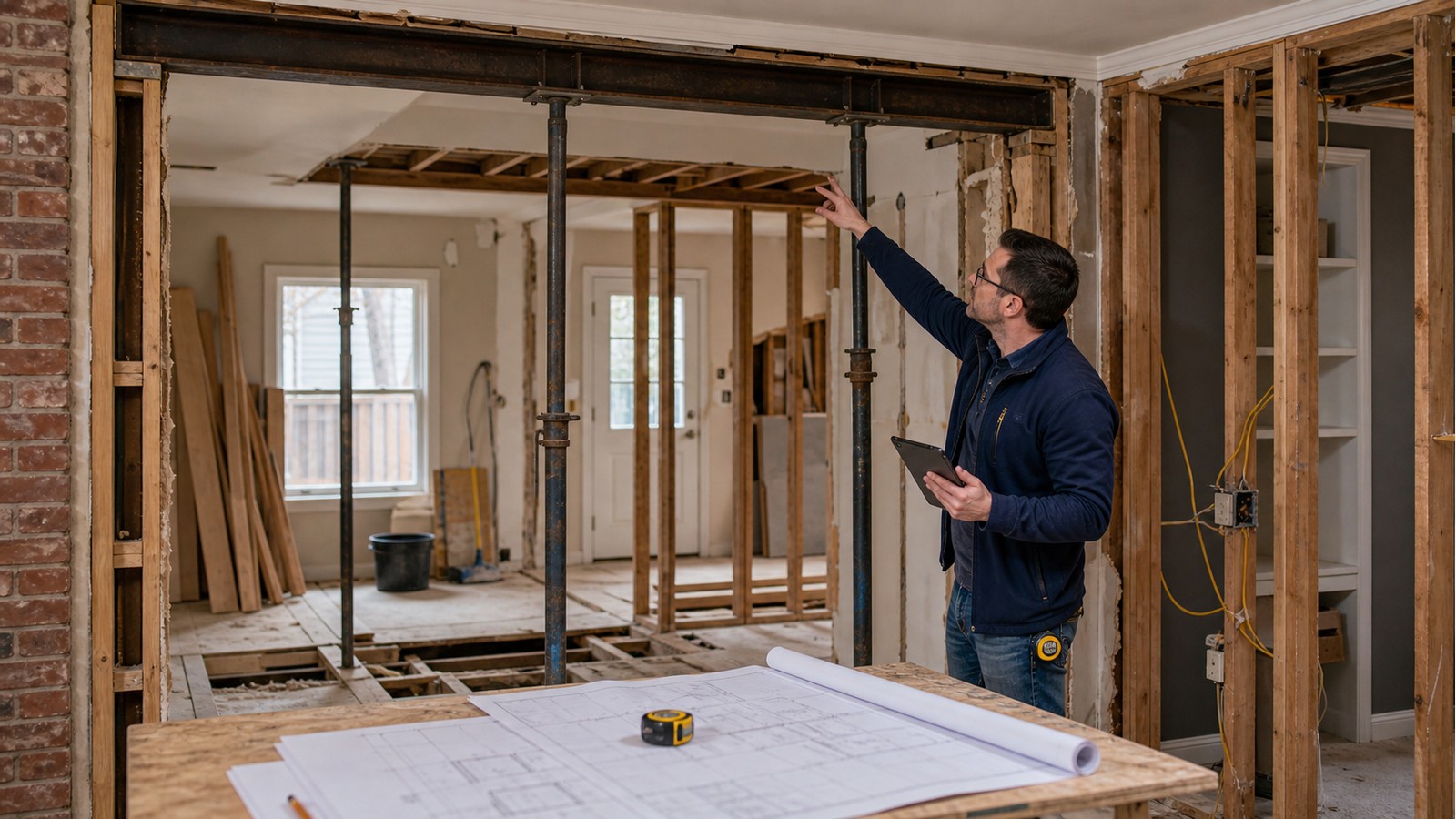
- removed walls, improvised beams, relocated posts, or cut joists;
- stone, masonry, or mixed foundations with deterioration or movement;
- fire, impact, major leak, or chronic water history;
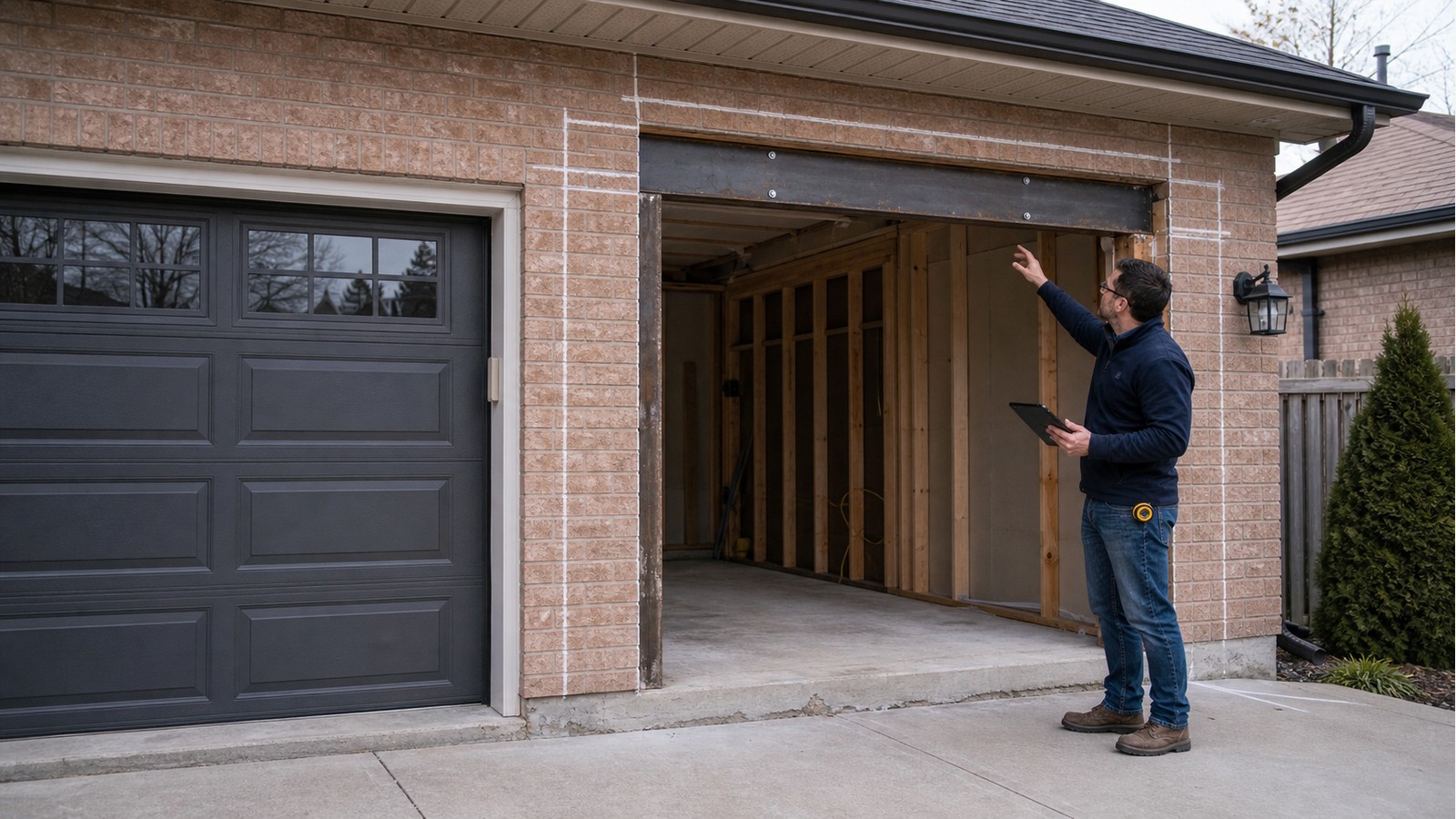
- large additions with unclear permits or old-to-new separation;
- retaining walls or slopes affecting buildings or access;
- unfinished structural repairs or active shoring;
- a planned second storey, underpinning, or major open-concept renovation;
- unpermitted work identified in records or disclosure.
Age alone is not a defect. The question is how the actual structure was built, altered, maintained, and loaded.
Purchase deadlines limit investigation
A condition period may allow only one visit. Finishes, stored belongings, snow, occupied rooms, and lack of owner permission can limit access. The engineer should state those limits and avoid conclusions that require concealed information.
If openings, monitoring, geotechnical testing, or record retrieval cannot be completed before the deadline, the report can identify uncertainty and recommended next steps. The buyer and legal adviser decide how that uncertainty affects conditions, price, or proceeding.
Permit history helps but does not prove current condition
With owner authorization, Hamilton’s property record service may provide permits, plans, surveys, and occupancy information. The City warns that records may be unavailable or incomplete, especially for older properties.
A permit shows an approval process occurred; it does not prove every later alteration or current condition. Compare records with visible walls, beams, additions, decks, basement layouts, and unit configuration.
An engineer does not perform a full purchase inspection by default
A structural assessment usually focuses on specified elements and visible conditions. It may exclude roofing performance, electrical, plumbing, HVAC, mould, termites, environmental hazards, zoning, title, and market value. Those issues need the appropriate professionals.
Define whether the engineer is assessing one crack, the foundation, a removed wall, or accessible structure throughout the house. The written scope matters more than the label “structural inspection.”
Future renovation plans change the question
A house can be serviceable for current use but poorly suited to a proposed second storey or wide opening. If your purchase depends on a renovation, provide a concept plan. The engineer can identify likely support paths, foundation questions, and investigation needs.
This is feasibility, not a final permit design. Renovation engineering later requires measured plans, coordinated architecture, calculations, and details.
Do not ask for a repair price from visual evidence alone
An engineer may outline repair concepts and urgency, but contractor pricing needs quantities, access, finishes, temporary work, and defined drawings. Concealed damage can change scope. Obtain contractor input after the technical problem is sufficiently defined.
If immediate safety concerns appear, restrict access and notify the owner or responsible party. Do not perform destructive testing or stabilization without authorization.
What to send before the visit
- listing address and property type;
- home inspection report and seller disclosures;
- specific structural questions and purchase deadline;
- listing photos and your own labelled images;
- available permits, plans, and renovation records;
- future renovation concept if it affects the purchase;
- access restrictions and permission for attic, crawlspace, or garage entry;
- people authorized to receive the report.
If a permit issue is central, municipal review advice can help explain the likely documentation path, but Hamilton determines the approval outcome.
Use authoritative public information carefully
Hamilton’s permit page lists work requiring approval and explains current submission context. Public guidance can help identify questions; it does not diagnose the house or establish that past work complies.
For professional status, PEO’s public directory can verify individual licence and firm Certificate of Authorization information. Directory listing is regulatory information, not an endorsement of a particular consultant.
Related Hamilton real-estate guides
- Structural clues at an open house
- Structural inspection before selling
- Can an old bungalow support a second floor?
Pre-purchase engineer FAQs
Will the engineer tell me whether to buy the house?
No. The engineer provides technical findings and limitations. You combine them with price, legal advice, financing, insurance, and personal priorities.
Can the engineer see behind finished walls?
No. Without authorized openings or reliable records, concealed conditions remain limited. The report should state that clearly.
Can the report provide an exact repair cost?
Usually not. Defined repair drawings and contractor quotations are needed for reliable construction pricing.
Does a normal-looking house need no structural review?
Appearance alone is not decisive. Use the home inspection, records, renovation plans, and visible evidence to decide whether a focused review adds value.
If your purchase depends on a structural question, request a structural engineering quote with the inspection report, deadline, property records, photos, and planned renovation.