
Can A Structural Engineer Help With An Insurance Claim In Hamilton?
A structural engineer can help an insurance claim by documenting conditions, investigating a defined technical question, assessing affected structural components, recommending stabilization, and designing repairs. The engineer does not decide policy coverage, claim value, or legal liability. Those decisions belong to the insurer, adjuster, policyholder, and legal advisers.
Clarify who retains the engineer and what question is asked
The homeowner, insurer, adjuster, lawyer, contractor, or condominium corporation may retain the professional. The agreement should identify the client, authorized recipients, property access, documents, and technical questions. A report for emergency repair design is different from an independent causation investigation.
Ask whether destructive testing, laboratory analysis, code review, cost input, or testimony is expected. Those services require explicit scope and may involve additional specialists.
Preserve evidence before cleanup changes the scene
Safety and emergency mitigation come first, but photograph and record conditions before debris removal where possible. Capture overviews, damage paths, connections, water lines, impact points, char patterns, fallen components, temporary shoring, and surrounding areas. Keep product labels and removed structural pieces when authorized and safe.
Maintain a timeline of the event, discovery, emergency response, weather, utility shutdown, stabilization, and repairs. Record facts without assigning cause prematurely.
Emergency stabilization is not the final repair
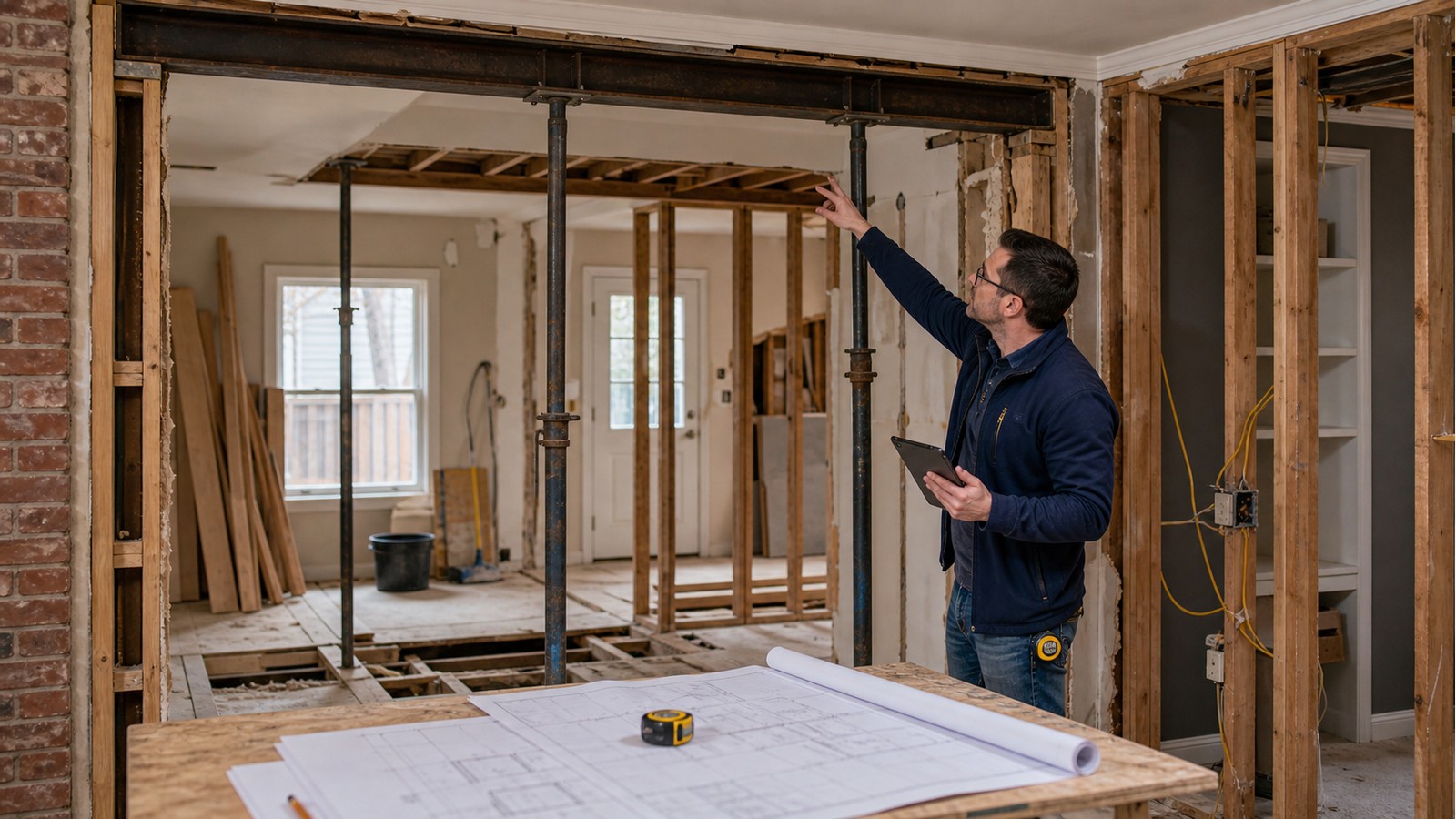
Shoring, bracing, tarping, and access restrictions can reduce immediate risk. They may alter the condition and introduce new loads, so their design and installation should be documented. Do not assume temporary support permits normal occupancy.
A structural damage assessment can identify unsafe areas and next investigations. Final repair design follows after enough material condition and load-path information is available.
Cause opinions need disciplined boundaries
Damage may have multiple contributors: impact, fire, water, pre-existing deterioration, construction deficiency, settlement, or later intervention. The engineer should separate observed evidence, information from others, analysis, assumptions, and conclusions. Where the evidence cannot distinguish causes, the report should say so.
PEO lists forensic-engineering guidance, but its current practice-guideline index warns that guideline material may be outdated. Current statutes, regulations, professional judgment, and evidence govern the assignment.
Insurers and permit authorities need different documents
An insurer may request a damage report, cause opinion, repair scope, or progress confirmation. Hamilton may require permit drawings, calculations, revisions, and inspections. One report may inform both processes but does not automatically satisfy each.
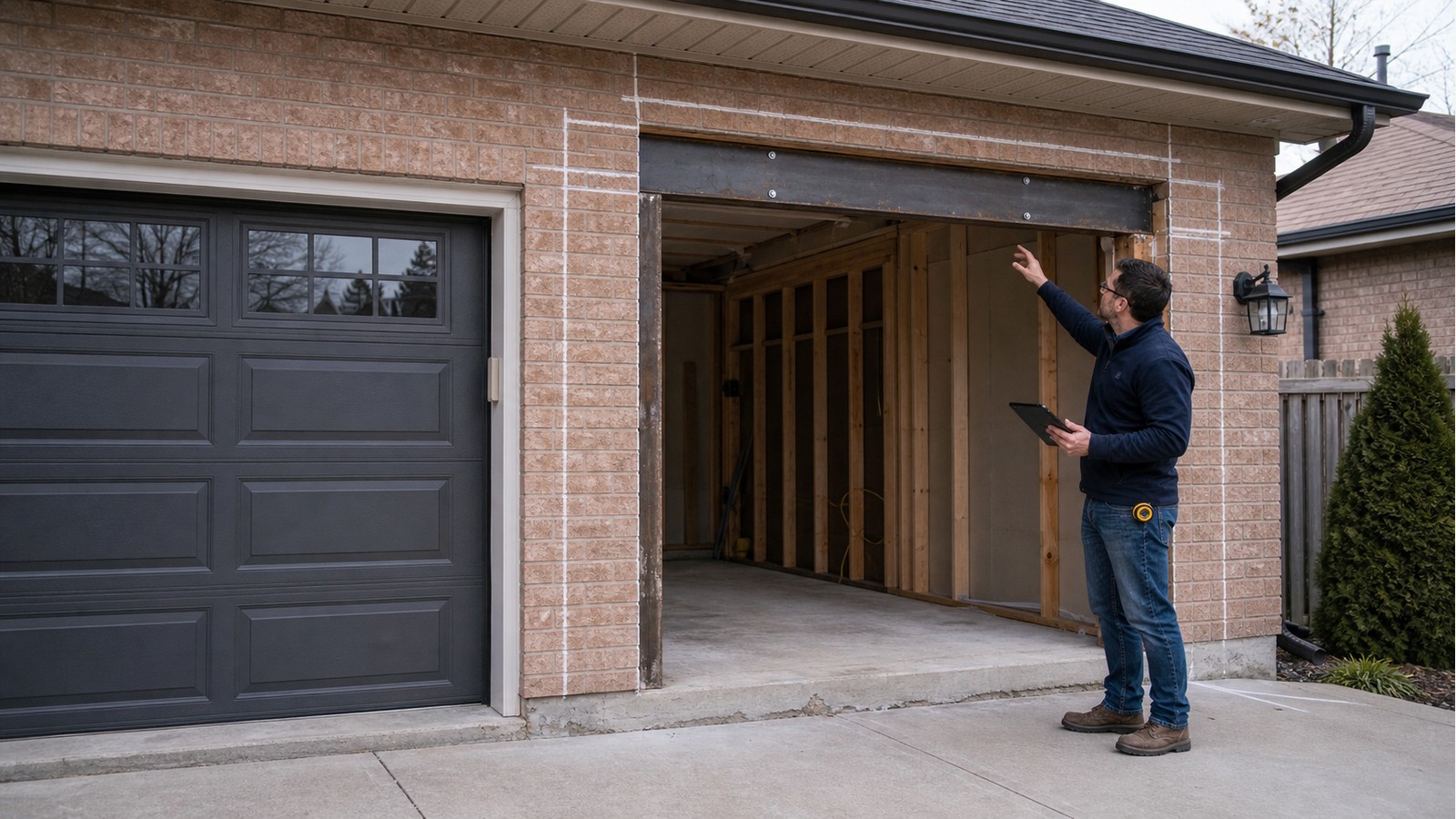
Hamilton’s permit guidance lists structural repairs, replacement structures, openings, and material alterations among work that may require permits. Confirm the repair approval path before reconstruction.
Repair design should address retained structure
The engineer assesses which elements can remain, what must be removed, and how new work connects. Heat, water, impact, or decay can affect material beyond the obvious break. Finishes may need removal; testing may be required for steel, concrete, masonry, or wood depending on exposure.
Repair boundaries should stay open to revision when selective demolition reveals damage that could not be seen during the first visit.
Repair drawings can show demolition limits, shoring, replacement members, reinforcement, connections, materials, and review stages. They should not direct hazardous-material remediation or electrical restoration unless the appropriate professionals are included.
Documents to assemble for the engineer
- policyholder and authorized-client information;
- adjuster contact and exact technical request;
- event date, timeline, and emergency-response records;
- pre-loss photos, permits, and structural drawings;
- post-event overview and close-up photographs;
- contractor stabilization and demolition records;
- prior repair, leak, crack, or movement history;
- other consultant reports and testing;
- City orders, permit comments, or unsafe-building notices;
- access restrictions and evidence-preservation instructions.
Field review can document repair progress
The repair scope may require the engineer to review exposed conditions after demolition, reinforcing before concrete, framing and connections before finishes, and completed structural work. New findings can change the design. Agree on notice and hold points so work is not concealed first.
Permit-response support handles structural comments and revisions. Hamilton’s inspection process remains separate and must be scheduled by the permit holder.
Keep technical and coverage language separate
An engineer can say a beam was fractured, a wall displaced, or a repair is required. Whether that damage is covered, excluded, depreciated, or reimbursed is a policy interpretation. Avoid asking the technical report to promise payment.
If parties dispute cause or scope, preserve evidence and consider independent legal advice. The engineer should disclose conflicts and understand who may rely on the report.
Related Hamilton damage guides
- Engineering after vehicle impact
- Structural review after flood or major leak
- Structural engineering after a house fire
Insurance engineering FAQs
Will the engineer negotiate with the insurer?
Only if that service is specifically retained. The usual role is technical investigation and repair design, not claim advocacy or policy negotiation.
Can repairs start before the engineering visit?
Emergency safety work may be necessary. Preserve evidence and coordinate with the insurer and engineer before permanent demolition or reconstruction where possible.
Can one engineer work for both homeowner and insurer?
Professional duties and conflicts must be considered. The client, scope, independence, and authorized reliance should be clear.
Will the report include repair cost?
Not necessarily. Contractors and cost consultants price a defined scope. Engineering can identify the structural repair basis and quantities.
For a claim-related technical review, request a structural engineering quote with the adjuster’s question, event timeline, pre-loss records, damage photos, and emergency-work details.