Do Structural Engineers Inspect Work During Construction In Hamilton?
Structural engineers often review work during construction when their scope, the permit, or project conditions require professional field review. The engineer observes selected stages for general conformity with the structural design and addresses site questions. This is different from continuous supervision, contractor quality control, and Hamilton’s mandatory building inspections.
Field review starts with an agreed scope
The proposal or permit documents should identify expected visits, notice, and deliverables. A beam installation may need one well-timed review before finishes. An addition can require foundation, reinforcing, framing, connection, and final-stage reviews. Unusual or changing work may need more.
Do not assume sealed drawings include unlimited visits. Design, permit responses, shop-drawing review, and construction review are separate services unless the agreement combines them.
The visit is timed to visible structural work
An engineer cannot review reinforcing after concrete placement or concealed connections after drywall without reliable access. The contractor should provide notice before the work is covered and ensure safe access, lighting, ladders or lifts, and relevant drawings are available.
Common review points include:
- excavation or bearing conditions where the design requires confirmation;
- footing, wall, slab, or grade-beam reinforcing before concrete;
- piles and installation records before caps or framing conceal them;
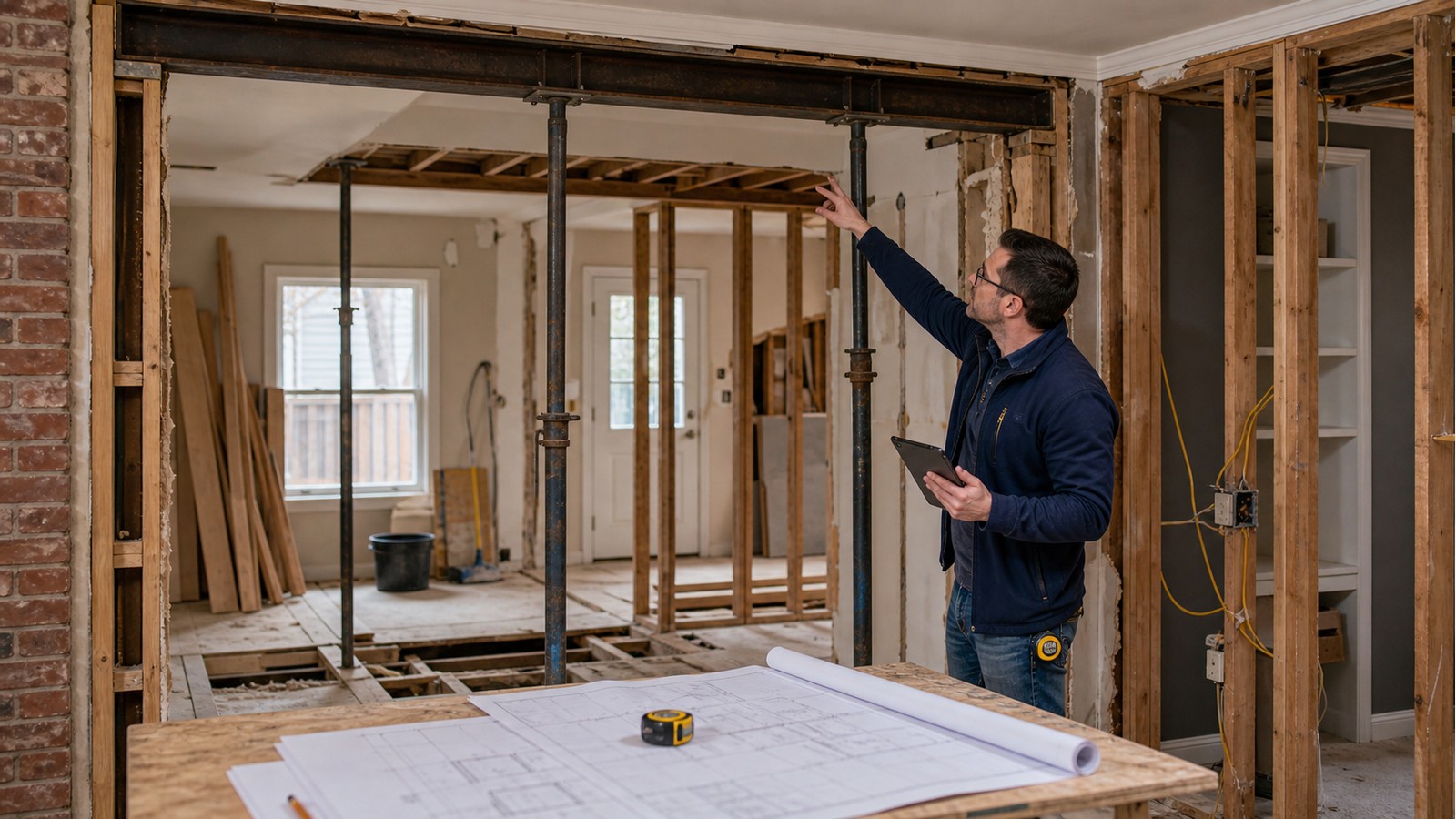
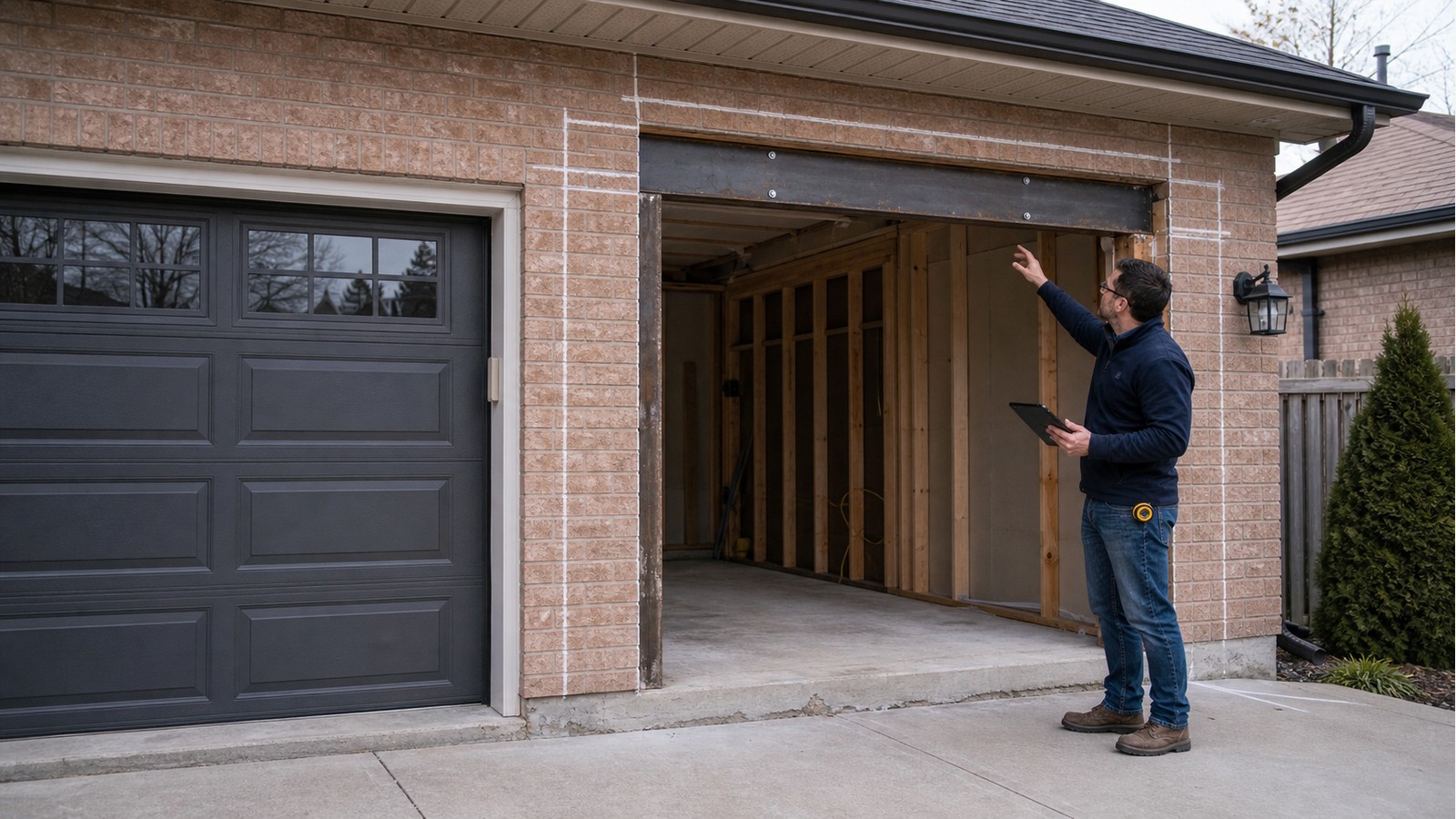
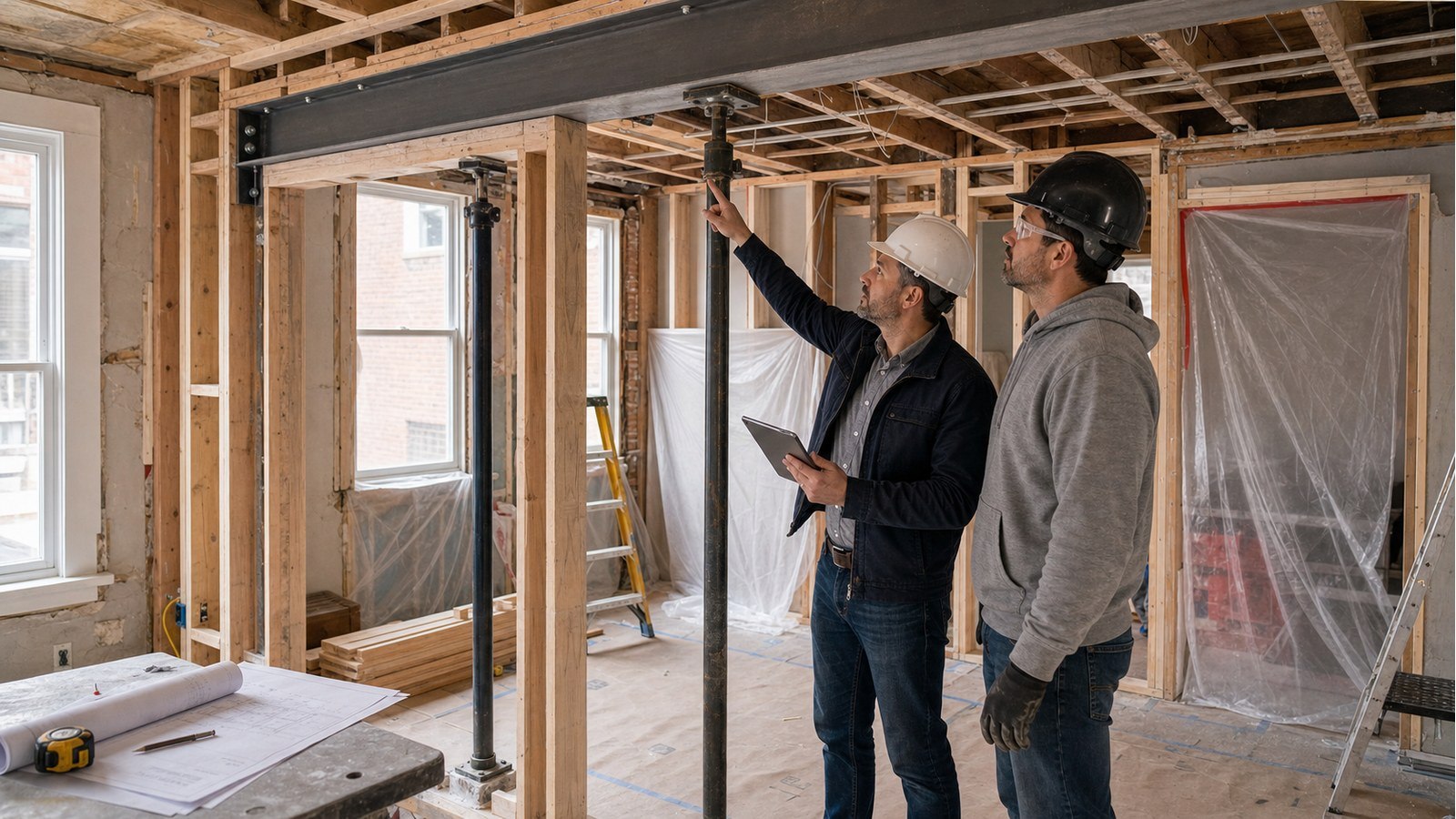
- beams, posts, bearings, anchors, and connections before finishes;
- wall bracing, hold-downs, straps, and collectors;
- repair work after removal exposes actual conditions;
- temporary conditions identified in the engineering scope;
- completed structural work where a professional completion document is required.
General review is not continuous inspection
A field review uses professional judgment and representative observation to assess whether observed work generally conforms to the design. The engineer is not present for every fastener and does not direct the contractor’s workforce or means and methods. Contractor supervision and quality control remain necessary.
PEO publishes general-review guidance, but its current practice-guideline index warns that guideline material may be outdated. Current legal obligations should be checked against applicable statutes, regulations, permit requirements, and the professional’s project agreement.
Hamilton inspection remains mandatory where prescribed
The City’s building inspection page says permit holders must arrange inspections at required stages, post the permit, and keep accepted documents on site. It warns that work covered too early may need to be uncovered.
A municipal inspector enforces the permit and code within the City’s role. The engineer reviews structural work within the professional scope. Booking one does not automatically book or replace the other. Coordinate both before concrete placement or concealment.
Site questions should be documented
If framing differs, soil is unexpected, an opening moves, or a specified product is unavailable, send a clear request with photos, dimensions, and proposed resolution. The engineer may confirm the design, issue a sketch, revise drawings, request investigation, or reject the change.
Verbal site discussions should be followed by written documentation when they affect construction. Construction-phase structural support is most effective when the contractor asks before building the substitution.
Deficiencies need a close-out path
A field report may list observed deviations and required action. The contractor should respond with completion photos, reinspection access, testing, or other evidence specified by the engineer. Do not cover the item until the required reviewer confirms the next step.
If a deviation affects the permit set, permit revision support may be needed. Repair details belong in updated structural documents, not only in an informal text message.
Prepare the site for a useful review
- Give the agreed notice and identify the work stage.
- Confirm the reviewed area will remain visible.
- Place accepted drawings and latest revisions on site.
- Provide safe access, lighting, and fall protection as required.
- Have shop drawings, product labels, test records, and RFIs available.
- Mark known deviations before the engineer arrives.
- Identify concrete or covering deadlines without pressuring a premature conclusion.
- Distribute the field report to responsible parties and close each item.
Photographs help but do not automatically replace visits
Photos can document repeated work or resolved deficiencies when the engineer agrees. They can miss depth, material condition, location, scale, and surrounding load path. The professional decides whether remote evidence is adequate for the question.
A time-sensitive pour should not depend on sending a few photos after the scheduled review was missed. Establish hold points with the contractor before work begins.
Ontario professional responsibility still applies on site
Ontario’s Professional Engineers Act defines professional engineering and regulates its practice. The engineer’s site role should be described accurately: review within a defined scope, not a promise that every aspect of construction was continuously inspected.
Owners should read field reports together with drawings and outstanding items. A report with unresolved deficiencies is not a completion letter.
Related Hamilton construction-review articles
- Responsibility when work differs from drawings
- Preparing for a structural inspection
- Reviewing completed structural work
Construction review FAQs
Who books the engineer’s visit?
The agreement should say. Often the owner or contractor provides the specified notice, while the permit holder separately books Hamilton inspections.
Can the engineer instruct subcontractors directly?
Communication routes should be agreed. Engineers identify design requirements; contractors control means, methods, sequencing, and workforce unless a separate role says otherwise.
What if concrete is scheduled before the engineer can attend?
Do not place work that requires review. Reschedule or obtain an agreed alternative before concealment; urgency does not create evidence.
Does a final letter guarantee all work?
No. It should state the project, documents, visits, observations, limitations, and professional conclusion. It is not a warranty of every concealed component.
For planned construction review, request a structural engineering quote with the permit drawings, construction schedule, required review stages, and contractor contact.